



Spotting a bee nest on your property can be stressful. Although bees are important pollinators, the risk of physical harm is increased when bees are near or around human activities. You may be tempted to take care of the situation on your own, but by taking out a bee’s nest without the help of a professional, you may expose yourself to a number of potential complications. Here are reasons why bee and wasp removal should be left to the professionals.
Risk of Painful and Dangerous Stings
Bees will sting when they feel threatened, and their stings are painful and can produce allergic reactions, such as swelling. Sometimes, stings can be so extreme that they need immediate medical attention. If you try to remove a nest yourself, you may not only get stung once, but several times, if you are allergic.
Honey bees will usually die after they sting unlike a wasp that is capable of stinging multiple times, but the potential for multiple stings from all the bees in a colony can also be very painful, have dangerous swelling and other medical consequences. The likelihood of getting multiple stings increases greatly when removing a nest without supervision and experience.
Aggression from Disturbed Colonies
Bees are extremely protective of their bees. If a nest is disturbed, they can become aggressive and there can be as many as thousands of bees within a single colony. When a nest is threatened, bees can swarm and attack and expose you and your family at serious risk.
While swarm behavior can be frightening, it can also be dangerous, particularly if you or your family are in the vicinity! Multiple stings from a colony is much worse than one sting alone. The stings may become overwhelming, and potentially require medical treatment!
Lack of Proper Protective Equipment
Bees and wasps are removed by professionals wearing full-body suits, gloves, veils, and other equipment that may seem excessive to the average person. Indeed it is an extreme danger if these experts do not wear protective gear when attempting nest removal. One bad step could lead to a small swarm of stings or injuries.
Taking on a nest is a tough task. Most times you are completely in the open, with nowhere to hide if a swarm of bees should happen to attack. One small mistake, like bumping a small piece of the hive or even moving too quickly, and a “defensive swarm” can happen.
Safe and Humane Removal is Important
Bees are essential for the ecosystem. Many species are declining, and harming a hive can negatively impact the local environment. Professionals focus on safe and humane removal, often relocating the colony instead of exterminating it.
DIY attempts, on the other hand, often result in killing the bees or damaging the hive, which is harmful both to the environment and to your community. Safe removal not only protects people but also preserves the bees that play a crucial role in pollination.
Professionals Handle Bees More Effectively
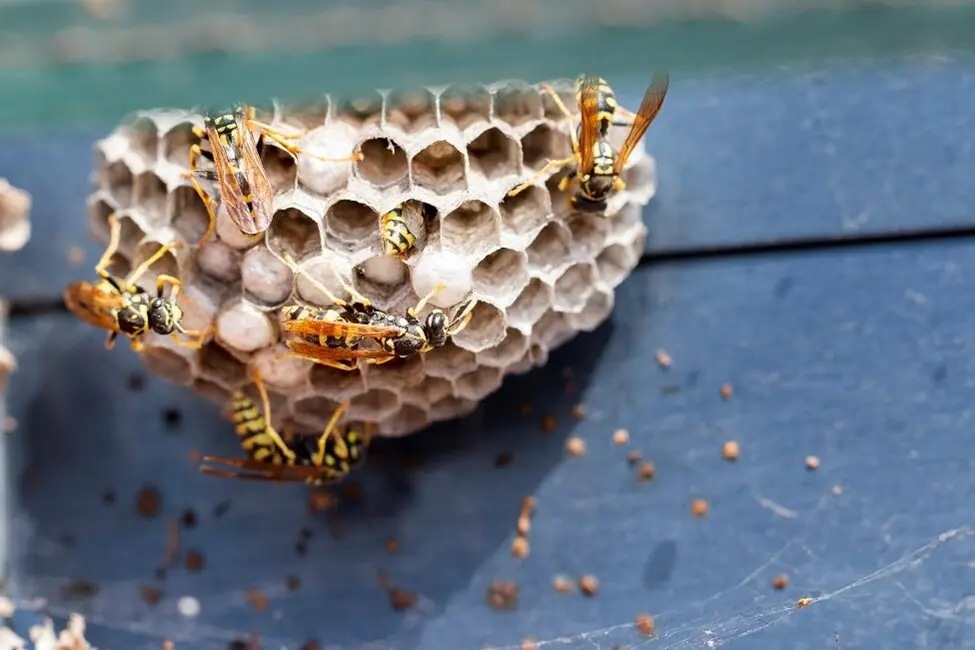
Professional bee and wasp removal experts have the knowledge and tools to handle nests safely and effectively. They can:
- Identify the species: Different species require different removal techniques.
- Locate hidden nests: Bees often build nests in walls, attics, or trees, which can be hard to find.
- Remove the nest completely: Professionals ensure the hive is fully removed to prevent bees from returning.
- Prevent property damage: DIY removal can lead to broken walls, holes, or other damage to your home.
Professionals also know how to minimize stress to the bees while keeping people safe. Attempting a DIY removal often leaves behind parts of the nest, allowing the colony to rebuild, which can make the problem worse.
Conclusion
While it may seem simple to remove a bee nest yourself, the risks are high. Painful stings, aggressive swarming, and the lack of protective equipment make DIY attempts dangerous. Additionally, improper removal can harm the bees and the local ecosystem.
Professional bee and wasp removal is safer, more effective, and ensures the colony is handled humanely. If you find a bee nest near your home, don’t take chances calling a professional. It’s the safest way to protect both your family and the bees.