



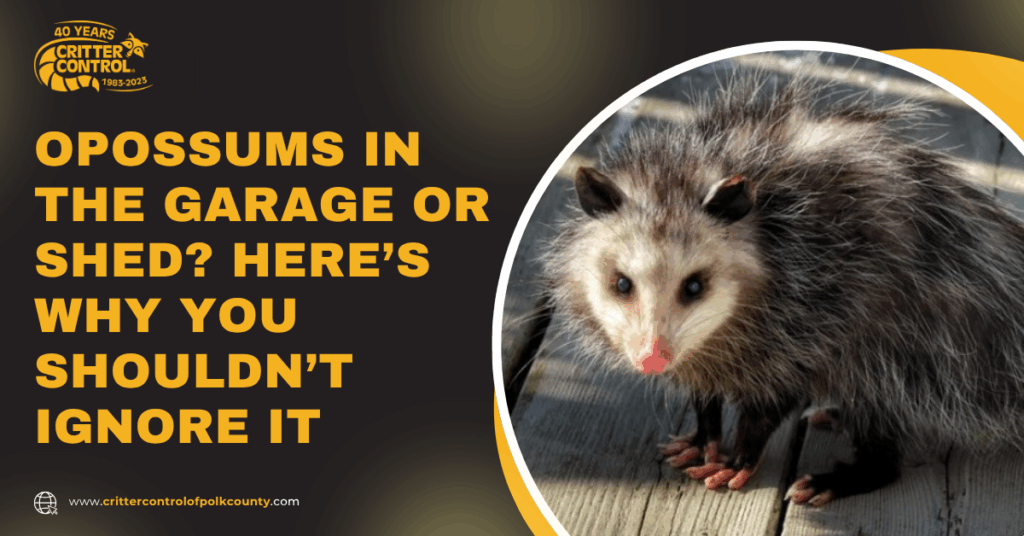

Ever hear a weird noise in your garage or shed? Something unusual, some unrecognizable smell. Well, there’s a high chance that you’re not alone there. If these sounds or smells persist, it means you are near an opossum (or a possum, depending on where you live). These shy, slow-moving creatures are often seen as harmless, but don’t let their calm nature fool you. If they manage to somehow enter sheds or crawlspaces, they can bring more than just a creepy surprise. From severe diseases to parasites to property damage, their presence can turn into a serious problem. So here, learn about how to spot the signs early, and what steps to take before things get out of hand. Better read till the end.
Why Opossums Love Hiding in Your Garage or Shed?
For you, your garage or shed can be just a normal place to park your vehicles, but for Opossums, it’s a five-star hotel offering shelter, food, and peace.
A. Dark, Quiet Shelter
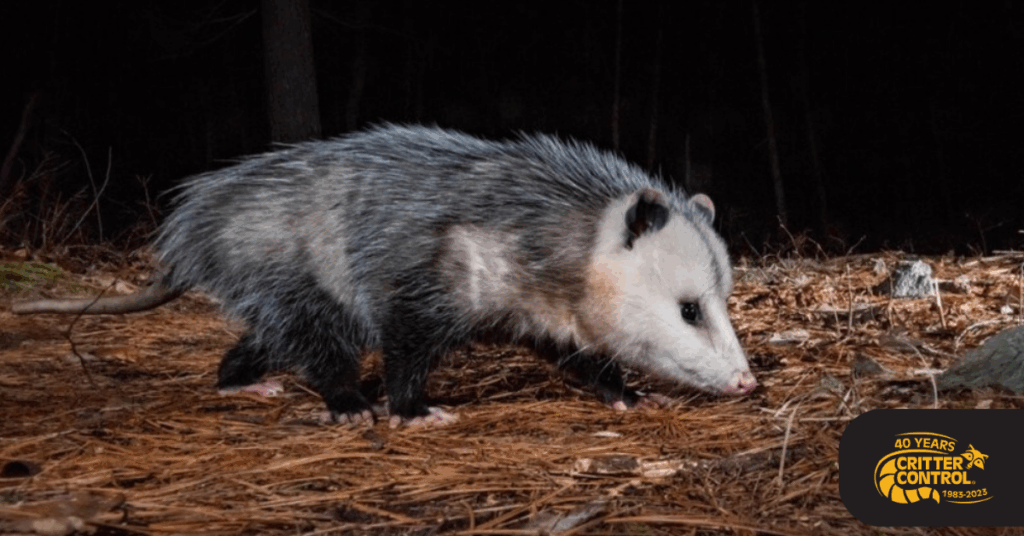
These creatures are the animals of the night. They sleep during the day and roam at night in search of food. During the night, garages and sheds are typically quiet and filled with shadowy corners that are a perfect daytime hiding spot. The dry flooring, insulation, and stacked items mimic the protective cover of hollow trees or dense underbrush.
Imagine it from the animal’s perspective, a warm air seeping in from your dryer vent, old towels stuffed in a corner, cardboard boxes stacked high, this is a luxury for them.
B. A Buffet of Scraps
Garbage cans, open food bins, open dustbins, and spilled birdseed are irresistible to opossums. Many homeowners don’t realize how enticing even crumbs can be.
A few common lures:
- Dog or cat food left near a back door
- A trash bag tossed into the shed “for now”
- An open bag of fertilizer or compost teeming with edible bits
C. Nesting Sites Galore
Female opossums are often looking for safe places to raise their young. Old blankets, rugs, or cardboard boxes stored for months without disturbance become prime nurseries. And because sheds and garages are often accessed less frequently than homes, the marsupial mom can raise her litter undisturbed until you suddenly meet face-to-face.
D. Easy Access
If there’s a crack, they’ll find it. Gaps beneath garage doors, broken vent screens, or loose siding provide easy entry. And with their flexible bodies, opossums can squeeze through holes no bigger than a soda can.
Diseases Opossums Might Be Spreading Right Now
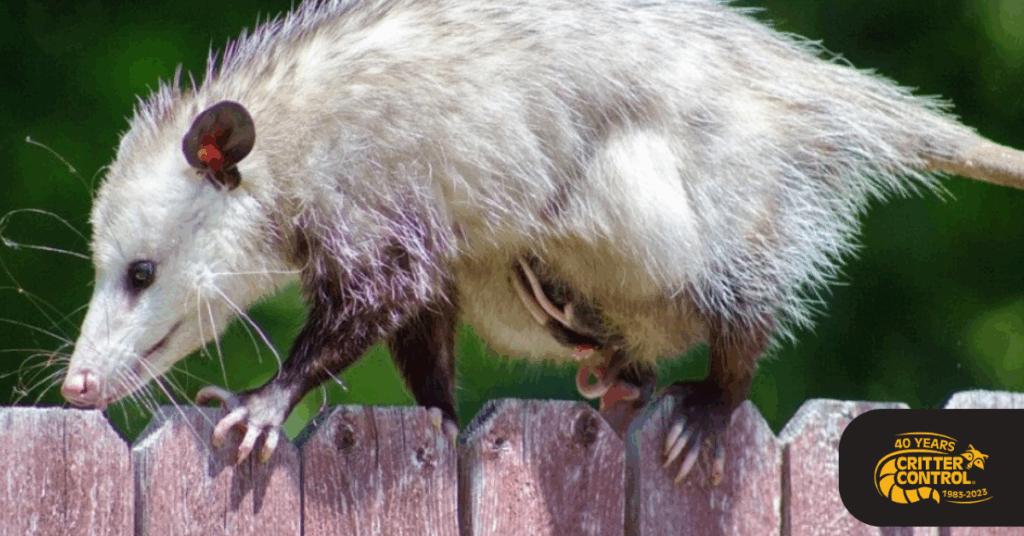
While these creatures aren’t aggressive, they’re far from harmless. These animals can be silent carriers of dangerous pathogens and parasites, even if they look healthy. Yes, you’ve read it right. Some of the most dangerous diseases include:
A. Leptospirosis
Carried in the urine of infected animals, this bacterial disease can seep into concrete floors or wood and infect humans through cuts or mucous membranes. Symptoms range from mild flu-like illness to liver failure or meningitis. If you store sports gear, pet food, or tools in your garage, contamination is a real concern.
B. Salmonella
Opossums defecate wherever they nest. Their droppings can contain Salmonella bacteria, which can cause intense gastrointestinal illness. Imagine unknowingly touching contaminated surfaces, then preparing food or feeding your child.
C. Ticks, Fleas, and Lice
Opossums are walking flea motels. They often bring in entire populations of parasites that can infest your pets or home. Fleas can spread tapeworms, while ticks may carry Lyme disease. Once these pests are introduced into a space like a shed, it can be weeks before you even notice the itchy consequences.
D. Tuberculosis (TB)
In rare cases, opossums have been documented to carry bovine TB, a serious threat, especially in rural or farming communities.
How to remove Opossums without stress?
Dealing with an opossum doesn’t need to be a nerve-wracking experience, but it does require caution, patience, and often professional insight.
Step 1: Confirm the Presence
Look for:
- Scratching or rustling noises at night
- Droppings the size of a small dog’s
- Foul, musky smells
- Displaced objects or shredded nesting material
Step 2: Set Up Humane Traps
You can purchase or rent humane cage traps from most hardware or farm supply stores. Use bait like:
- Sliced bananas
- Canned cat food
- Marshmallows
Place traps near the suspected entry point and along walls where they travel.
Important – Always check traps frequently and provide shelter if it takes more than a few hours to capture them.
Step 3: Relocate or Call for Help
Depending on local regulations, relocating a trapped opossum yourself might be illegal. In many regions, only licensed wildlife handlers are permitted to move them.
For a hassle-free approach, simply contact an opossum removal service. Professionals will:
- Trap the animal humanely
- Follow legal relocation protocols
- Sanitize the area
- Seal off entry points
Top Opossum-Proofing Hacks That Really Work
Once the opossum is gone, your job isn’t over. Now it’s time to make your space uninviting to the next one. Here’s how to keep them out for good:
A. Seal and Secure
- Install door sweeps on garage doors
- Cover vents and crawlspace entries with heavy-duty wire mesh
- Repair broken siding, panels, or roof gaps
B. Clean and Declutter
Eliminate potential nesting spots by:
- Storing items in plastic containers rather than cardboard
- Removing piles of rags, clothing, or old newspapers
- Sweeping up food spills or crumbs regularly
C. Scare Them Off
- Use motion-activated lights or sprinklers
- Place predator decoys (like plastic owls) in the area
- Spread pet hair or ammonia-soaked rags (a scent they hate)
D. Reorganize Food Storage
- Store pet food in sealed bins
- Rinse recyclables before tossing them into bins
- Keep garbage in lidded containers
Taking these steps can greatly reduce your risk of ever needing possum removal again.
6. Laws About Opossums You Should Know
You can’t just trap and dump wildlife anywhere, many areas have strict protections in place.
In the U.S.
- Many states classify opossums as protected wildlife.
- Trapping and relocating without a license may result in fines or criminal charges.
- Some jurisdictions allow you to trap on your own property but prohibit releasing the animal in public or private land without permission.
When in doubt, opossum pest control professionals can help navigate the legal red tape and ensure you comply with local laws.
7. When Opossum Trouble Needs Professional Help
Sometimes it’s not just one opossum. Sometimes it’s a nest. Or a family. Or a full-blown infestation with structural damage, contamination, and lingering odors.
Call in the pros when:
- You hear regular movement at night
- You find multiple droppings or signs of multiple animals
- Babies are involved (they must be handled delicately and legally)
- The smell of urine or feces has become overwhelming
- You’re unsure how they’re getting in
- You need biohazard cleanup after removal
A professional opossum removal in Lake County search will bring up local experts equipped with traps, experience, and bio-safe tools to handle the problem from start to finish—no stress, no risk.
Conclusion
Bats in your attic aren’t just an annoyance—they’re a serious concern that requires immediate, legal, and professional attention. From health hazards to structural damage and legal consequences, the risks are too high to ignore or handle alone.By choosing humane and compliant bat removal services, you protect your home, your health, and the local bat population. If you suspect you have bats in your attic, don’t delay—contact a trusted Bat Trapper in Lake County, like Critter Control® of Lake County, and restore your peace of mind today.