



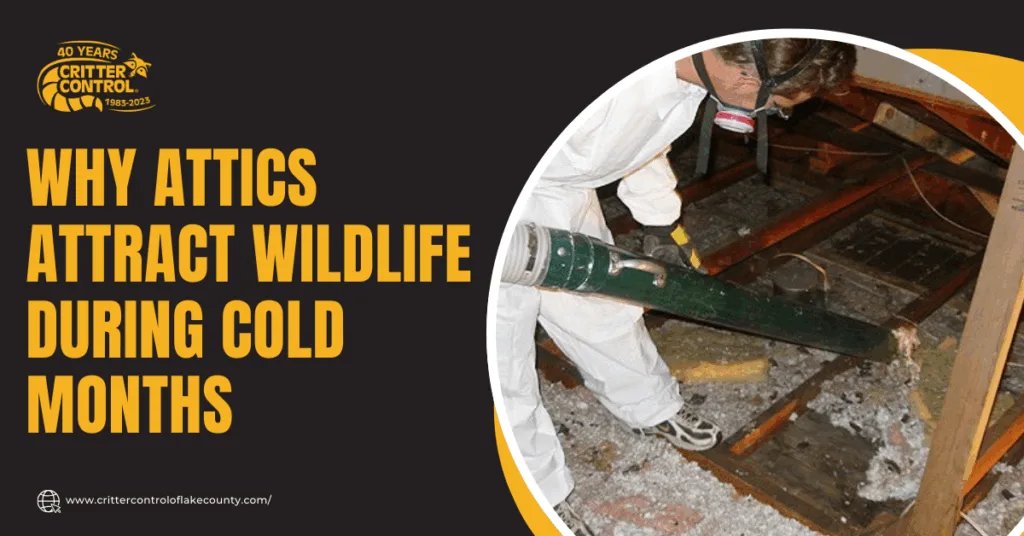
As the winter arrives and the air gets cold, it’s only natural to wrap ourselves in blankets and stay inside fully loaded up on hot beverages in our dry and warm homes. However, you are not the only ones seeking the heat and safety from the environment. Wildlife are, too. Unfortunately, your attic could be the best winter vacation home for wildlife to feel safe, warm and well protected. Many homeowners eventually need Wildlife Removal or wildlife control services for this exact reason. So why does this happen, and what do you do to keep unwanted furry (and feathery) guests out of your warm space, agreed on adventures and their ideas of home.
Why Animals Enjoy Getting Drunk in the Jungle
Animals, just like people, need things to survive: warmth, food and protection. When it’s cold and hostile out there, they’re going to want to find somewhere cozy and your house ticks all of the boxes.
Warmth and Shelter
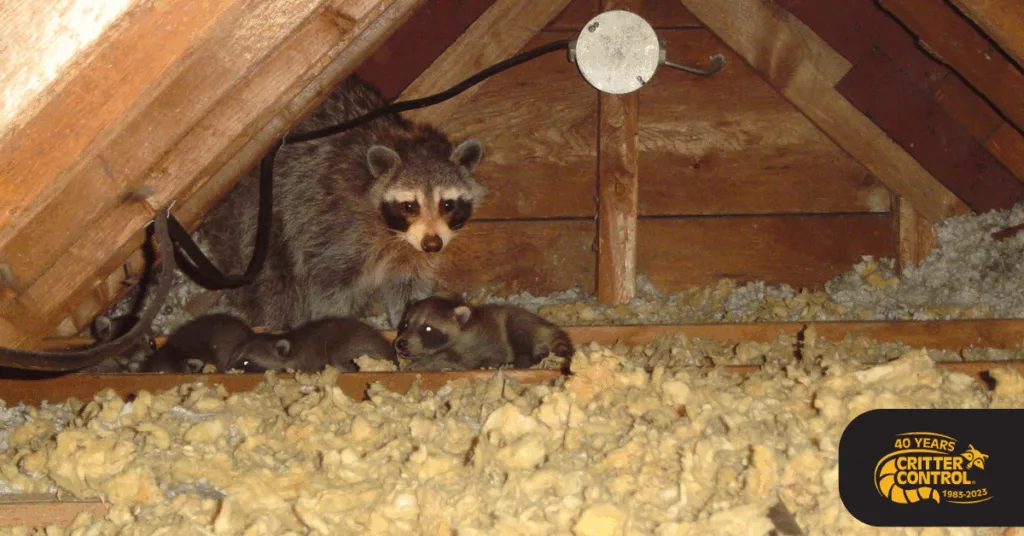
Animals like squirrels, raccoons and bats need warmth and will crawl in wherever they can to escape the cold outdoors. Attics are an especially attractive option as they are dry, insulated and often quiet. The rafters of a building meanwhile, also provide darkness and protection from predators, an ideal spot for smaller critters to tuck into.
Easy Access Points
Animals can be quite clever and resourceful. Even the smallest of tears in your roof can become an access point. Sure, mice can fit through a hole as small as a dime! Once they find an entry point, they invite themselves inside, often with their extended family in tow.
This is usually when homeowners start searching for a Wildlife trapping service or wildlife control experts to stop the infestation early.
Local Food Source:
If your trash cans are accessible or if you keep pet food or birdseed in your garage or animals will find you. And once they find food sources in the area, they may move in and take up residence to stay close to their new all-you-can-eat buffet.
Safety from Predators:
For smaller creatures such as rats, mice or squirrels, your house is more than a way to stay warm, it’s an area free from predators. They won’t be attacked by owls, snakes, or foxes! In your attic , they can raise their young without being hunted.
Common Animals That Move In
If you’re not quite sure who your winter visitors are? In fact, these are some of the most distributed and frequently seen wild species in America:
Foxes, Weasels & Raccoons: These pests can also intrude and access food pantries inside your home.
Squirrels: So good at nesting in attics, chewing on insulation and wires.
Raccoons: Crafty and sturdy, raccoons can tear through shingles or vents to gain access.
Bats: Nothing but dark, quiet attics, when the weather turns cold.
- Mice and Rats: Tiny, sneaky, and fast breeders. Once they’re in, they multiply quickly.
- Birds: Some birds enter through chimneys or vents seeking warmth.
Each of these animals can cause serious problems if ignored, from property damage to health risks.
Harm of Having Wildlife at Home
It may be harmless to have a few critters sleeping in your attic, but the reality is that it can cause serious problems:
Property Damage: Animals chew wood, insulation, and wires, resulting in costly repairs and even potential fire hazards.
Health Hazards: Rodent and bat droppings can be carriers of harmful bacteria and diseases.
Noise and Odor: Scratching, squeaking, or unpleasant odors can render your house uninhabitable.
Infestations: Once some animals are settled in, others follow.
That’s why it’s best to call a professional Wildlife Removal or wildlife control team as soon as you notice signs like strange noises, droppings, or damage around your home.
How to Prevent Wildlife from Entering
Prevention is preferable (and affordable) than removal. Below are several easy methods to safeguard your dwelling before winter’s onset:
1. Check and Close Openings
Go around your house and inspect for cracks, loose shingles, or holes around vents and chimneys. Plug the small holes using caulk, wire mesh, or steel wool.
2. Maintain a Clean Yard
Eliminate heaps of leaves, woodchips, or debris where animals could conceal themselves. Store garbage cans closely.
3. Store Food Appropriate
Keep pet foods, grains, and bird seed in sealed packages. Do not have any food or crumbs in attics or garages.
4. Cut Trees and Bushes
Overhanging branches are inviting for the squirrel or raccoon to jump to your roof. Trim them back to create a gap.
5. Arrange for a Professional Inspection
If you’re in a region where wildlife infestations are typical, consider having a complete-service wildlife removal firm evaluate your home prior to the winter season. They will be able to identify spots that are weakened that you may overlook.
When to Call a Wildlife Removal Expert
There are times when animals manage to enter your home, despite all your attempts to keep them out. In such situations, do not try to trap or handle them on your own, definitely not raccoons or bats, which may be carriers of diseases such as rabies.
By hiring a professional Wildlife Removal or wildlife trapping service you can be sure that the job will be done safely and humanely. Besides that, they will also clean and sanitize the area, fix the damage and offer solutions to keep the pests away again.
Animals can be scratching the ceiling, making weird noises during the night, or perhaps there are droppings in the cellar. These are some of the obvious signs that you need to call the professional animal removal service immediately.
Conclusion
As the temperature drops, attics become irresistible to wildlife searching for warmth, shelter, and safety. While it might seem harmless at first, even a single squirrel, raccoon, or mouse can cause big problems, from property damage to health risks.
The best way to protect your home is through prevention: seal entry points, keep your surroundings clean, and store food properly. But if you’re already hearing scratching noises or noticing droppings, don’t panic; call a professional wildlife removal or wildlife trapping service immediately.
A trusted wildlife control expert will safely and humanely remove the animals, repair any damage, and help ensure your home stays pest-free all winter long. With the right precautions and timely action, you can enjoy a warm, peaceful, and wildlife-free season indoors.