




There’s one fine day when you came back from your family trip, and what do you discover? A sound that is not of a dog, a bird, or some cat. It’s of a bat. Yes, a bat! While your first reaction would be to chase that bat or set a trap to kill, this might not be a good idea. Trying to kill a bat on your own can be dangerous, and might invite unwanted health issues if got bitten mistakenly. So, don’t panic and trust the professionals. Here, read about why you should never try to kill or trap a bat on your own.
Health Dangers From Bat Bites And Droppings
Let’s first try to focus on the health dangers that are associated with bat bites and droppings.
Rabies
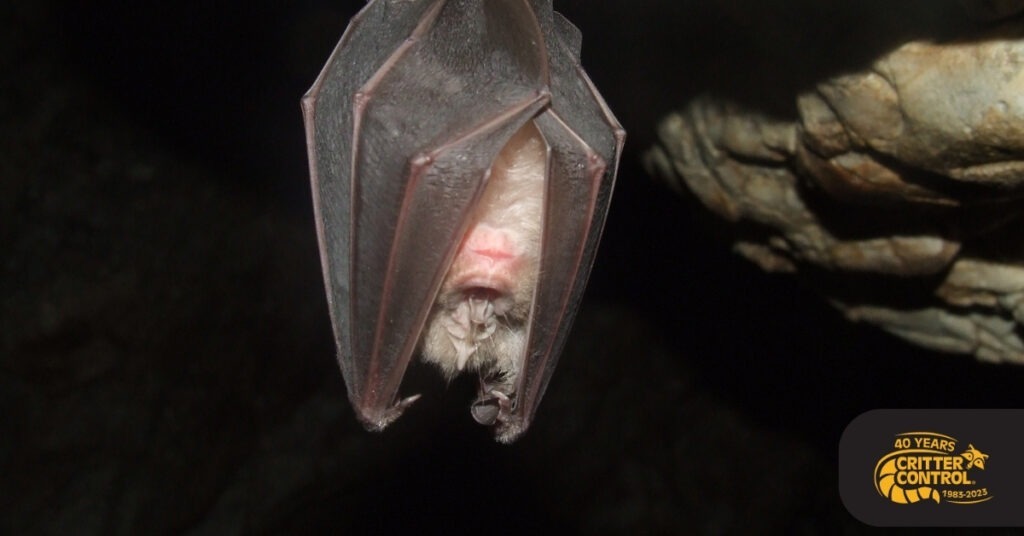
The first potential disease will be rabies. If bitten, the virus attacks the nervous system of the victim, causing hallucinations, paralysis, and ultimately death. It’s a serious one. As bats have very small teeth, many people don’t realize this until it’s too late. If you try to catch a bat, be careful to be wearing the proper protective gear, otherwise, you’ll be putting yourself at high risk.
Guano
The next severe risk can be bat Guano. This is essentially bat feces or droppings, and at first glance, might just look like dry dirt or pepper flakes, scattered across attic beams or windowsills. But guano can harbor a fungus that releases spores into the air, leading to a potentially serious respiratory illness called histoplasmosis.
Ineffectiveness And Risks Of DIY Bat Removal
Ever thought of getting rid of Bat on your own? Think twice! By doing so, you’ll not only be in complete danger but also might waste your time and energy because of the ineffectiveness.
Here are a few things that can go wrong:
- Blocking off entry points before making sure all the bats are out can lead to big problems. If any bats are still inside, they can get trapped and die in your walls or attic, creating a terrible smell. And if you’re in Florida, keep in mind that bat maternity season lasts from April 16th to August 14th. During this time, it’s actually illegal to seal off their roosts because baby bats that can’t fly yet could be left behind and die.
- Store-bought sprays and repellents? They rarely do much. Most don’t work well and won’t keep bats away for long.
- Trying to chase or catch a bat inside your home is a bad idea. It’s risky, stressful, and not safe—for you or the bat.
How Professionals Safely And Humanely Remove Bats
Now it’s time to understand how professionals safely remove bats, without hurting anyone in the process.
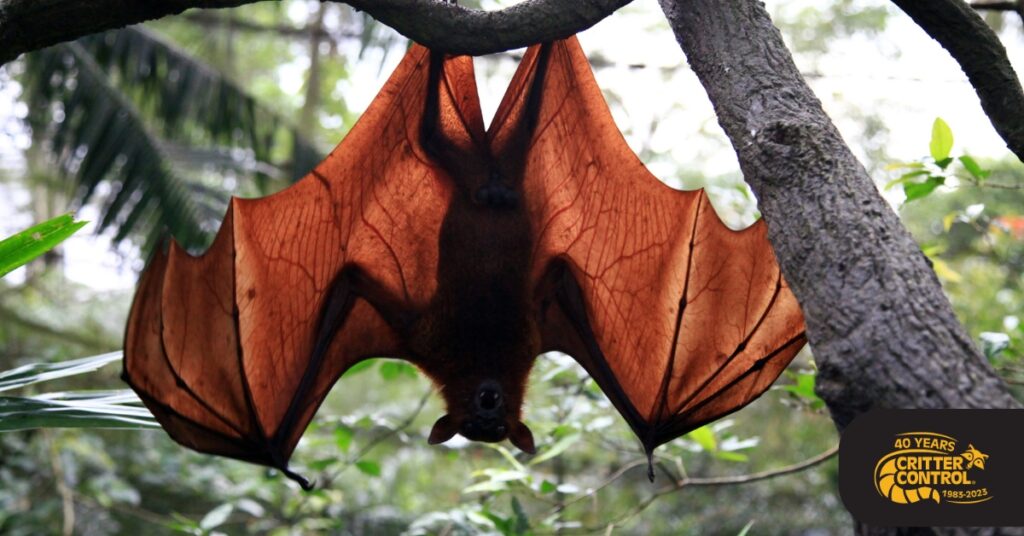
The fact of the matter is that wildlife control professionals are trained to safely, humanely, and legally remove bats. For this, they use specialized exclusion devices that allow bats to exit a building while at the same time, preventing them from re-entering. This method ensures that the entire colony leaves without any harm.
Not only this, the professionals even conduct a thorough inspection to identify all potential entry and exit points and seal them, if needed.
Potential Damage To Your Home During Improper Bat Handling
Even if you think that there’s no need for a professional and you can handle this task on your own, it’s not a good decision. How? Well, attempting such a task can easily lead to accidental damage or even a serious injury, as people often try to access hard-to-reach places like attics, eaves, or roof vents without proper tools or experience, resulting in broken tiles, torn insulation, or damaged drywall.
Also, improper sealing of the entry points can easily lead to structural issues and moisture problems.
Legal Protections For Bats And Penalties For Harming Them
Bats are federally protected. Several bat species are listed as endangered or threatened under the ESA, including the northern long-eared bat, Florida bonneted bat, and gray bat. So this means it’s illegal to trap, kill, or harm them, and even specific guidelines must be followed for exclusion or modifying habitat, all of which require a permit.
These protections are in place to preserve bat populations, many of which are declining due to habitat loss, disease (such as white-nose syndrome), and human interference.
Having a professional help you with a bat infestation can be a game changer, as these folks are familiar with the laws and regulations, and even do this job safely without hurting bats. The reason? They are trained, licensed and insured to do this work.
Conclusion
As a conclusion, you’re aware of the fact that bats are both beneficial and dangerous to humans if bitten or exposed to guano. So, trying to remove bats on your own is not advised. The best thing you can do is contact professionals to help, like Critter Control, Lake County. We excel at bat removal services for the good.